The Small Web
How a growing population is returning to smaller online communities.
Tags: homelab coding apache archivalPosted on: 2026-04-14
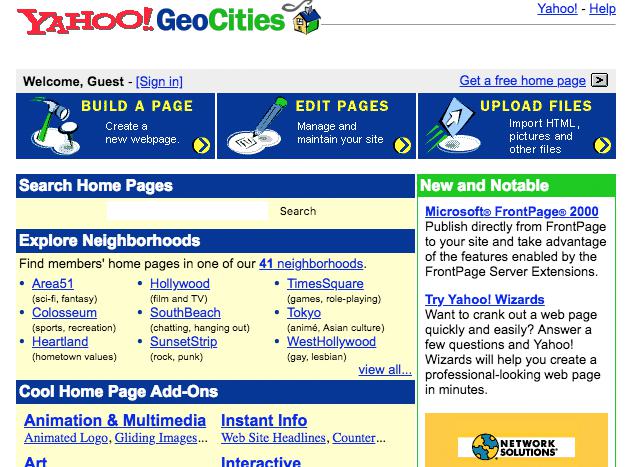
As someone who's been chronically online since the early 90s, I've tried most popular platforms out there. This includes social networks like MySpace, Twitter, Instragram, Facebook and more recently BlueSky, but I never ended up using any of them. For someone coming from IRC, web forums and web rings, social networks always felt more like noise than something useful that I would like to spend time on. Still, you can't be online without noticing how popular they've become, and more recently, how many people have started to leave them.
I've built web sites of various types for a long time, and I've been blogging here on this site since 2008, although back then my site looked fairly different. While I never had a GeoCities web site myself, a lot of people who grew up in that era had one, or used a similar platform. And now that a lot of people have woken up from the "social networks slumber" phase, I've been noticing a return to what many have started calling the "Small Web".
These are web sites that, like mine, are built manually, maintained and hosted by a single person, usually with a specific style unique to them. In fact, after Yahoo! closed GeoCities, several new hosting providers appeared and now offer a similar experience to what we had in the 90s:
They all provide that retro look and feel, and browsing some of those sites can be a really interesting way to spend an evening. You can find someone's pink house on a hill, a site replicating the look of the old MySpace portal, or even a site all about unique Star Trek roleplay.
There's even whole communities that sprung up around this "Small Web" concept, like the 32-Bit Cafe. I see this as a thriving example of what makes the Internet great, alongside other similar communities like data hoarding, self hosting, and the analog community. These aren't people disconnecting, but more so getting away from what the modern web has become: a corporate looking, corporate backed closed garden meant to monetize the users as much as possible.
There's no question that a lot less people are visiting the small web. You cannot scale and reach as many people as those using SEO-optimized keywords, spamming social networks with bots, or using AI to create the most controversial rage-bait content. But maybe that's part of the appeal. You own your spot on the net, you build a much smaller community, and you thrive away from all the craziness. Hopefully we see more of this in the future.